Hedge Trimming in London

Professional hedge trimming in London keeps living boundaries neat, healthy and better shaped through the seasons. We focus on careful cutting that suits the hedge species, the site layout and the level of finish you want, whether that means a clean formal line, a softer natural profile or simple maintenance to stop growth becoming unwieldy. The service is centred on clear, controlled trimming that helps hedges look tidy without stripping away more growth than they can comfortably support.
Our work can include routine hedge cutting, seasonal reduction, height and width control, and the edging that helps a garden feel ordered rather than overgrown. Where a hedge forms part of a wider garden, we can also coordinate the trim with other outdoor maintenance needs such as grass cutting or general garden care. If you are comparing options, begin with the shape, access and finish you need. For a straightforward first step, tell us what the hedge is doing now and what you want it to look like.
Because hedge work varies so much from property to property, the most useful quotation details are usually the hedge type, approximate length and height, whether it has been left to run, and whether access is straightforward or restricted. A few clear photographs can help if you are unsure how to describe the work. You can request a quotation once you have the basic details together, and we will use them to match the job to the right scope.
Hedge cutting for regular garden maintenance
Regular hedge cutting is often the simplest way to keep a boundary manageable. It is not just about appearance: the timing and style of the cut can affect how dense the hedge becomes, how much it leans into paths or drives, and whether it starts to dominate beds and borders. A trimmed hedge can also make it easier to maintain nearby planting and to keep access points open. Balanced, steady upkeep is usually better than waiting for a hedge to become difficult to restore.
We can help with hedges that are clipped for a crisp finish, as well as those that are trimmed more gently to maintain shape without creating harsh edges. Common hedge types in domestic and commercial gardens each need a slightly different approach, so the practical detail matters: what is growing, how tall it is, and whether the hedge is part of the front garden, rear boundary or a shared side return. If you are planning work around other tasks, our garden maintenance and garden services pages outline the broader options available.
When deciding how often to trim, it helps to think about both the visual finish and the growth rate. Fast-growing hedges need more regular shaping, while slower or more mature hedges may only need measured attention to preserve structure. The aim is to keep the hedge dense where it should be dense, and open only where light, safety or access calls for it. Well-judged trimming protects the look of the planting as well as the order of the garden.
Shaping, reduction and tidy lines

Some hedges only need a light trim, while others need more noticeable reshaping to restore a clean outline. Shape work may include reducing the sides to bring a hedge back in line, lowering the top where height has become impractical, or squaring off the edges to create a disciplined finish. The exact approach depends on the species, the present state of the hedge and how much of the current growth can sensibly be removed in one visit.
It is often useful to think about the final profile before any cutting starts. A hedge with a formal look generally needs straighter lines, even symmetry and a top that does not wander in height. A less formal boundary may only need smoothing and shortening, with the natural flow of the planting retained. If a hedge is shared with a neighbour or visible from the street, a careful trim can make a significant difference to how the whole frontage reads. For other exterior work that may sit alongside hedge care, see our landscaping and garden landscapers pages.
Where a hedge has grown unevenly, trimming should correct the shape without leaving visible hollows or rough patches that take a long time to recover. In some cases, a phased reduction is safer than a heavy single cut, particularly if the hedge has been neglected or is close to a path, fence or building line. That is one reason it helps to describe the current condition plainly. Consistent lines, sensible reduction and the right finish all matter more than forcing an aggressive cut.
Access, boundaries and the practical side of the job
Every hedge site has its own practical details, and these affect how the work is planned. Rear gardens may need equipment carried through a house or side passage, front hedges may sit close to a pavement, and some properties have limited room for safe movement while cutting and clearing. Letting us know whether the hedge is on private land, along a boundary or in a tight side access position helps us set out the job properly. A clear picture of access supports a more accurate quotation.
It also helps to say whether cuttings should be removed, stacked neatly for you, or handled as part of a fuller tidy-up. If the hedge is near planting, lawn edging or decorative surfaces, those details can influence the method and the amount of protection needed while work is carried out. For customers comparing related services, our hedge trimming and gardening company pages give a broader view of the work we cover, while the pricing and quotes page explains the enquiry process in simple terms.
Useful quotation details usually include the hedge location, its approximate height, how long it runs for, and any awkward features such as slopes, parked vehicles, overhead obstructions or fragile surfaces. If you only know some of these points, that is still helpful. A concise description and one or two images are often enough to set expectations and avoid unnecessary back-and-forth. You can keep the request brief and still receive a sensible starting point.
Domestic hedges, front gardens and privacy screens

Domestic hedge trimming often serves more than one purpose at once. A front hedge may frame the property and set the tone for the whole street view, while a rear hedge may provide privacy, soften a fence line or separate different parts of the garden. In each case the trim needs to respect the way the hedge is being used. Too much removal can make a screen thin and patchy; too little can leave it swallowing the space and blocking light or pathways.
Front garden hedges are often easiest to assess from the balance of the boundary with paths, gates and walls. Rear hedges may involve a stronger emphasis on access and on keeping the height practical for routine upkeep. We can also look at hedges that sit alongside driveways, patios or lawn edges where a sharper line improves the whole setting. If your outdoor space needs several small improvements rather than one large overhaul, the relevant service pages can help you compare the right mix of work.
The best results usually come from deciding whether the hedge should be maintained, refined or reduced. Maintenance keeps the existing shape in order; refinement improves the silhouette; reduction changes the size and can restore a hedge that has outgrown its space. When you ask for a quotation, it is worth saying which of those outcomes you want. That simple distinction makes it easier to prepare a quote that fits the job rather than a generic description.
Commercial and managed premises
Hedge trimming is also important for commercial settings, rental properties and shared premises where presentation and access need to stay consistent. Boundaries around office fronts, managed gardens, communal paths and exterior seating areas can quickly look neglected if hedges are left to spread. A disciplined trim keeps the site easier to read and helps the outdoor space feel looked after. It can also reduce the chance of hedges encroaching onto walkways, signs or nearby planting.
For larger or more structured sites, the scope may include repeated cutting at agreed intervals, selective shaping for visibility, and sensible clearance of the offcuts afterwards. Where hedges define the edge of a plot, the cut should suit the wider garden or landscape rather than treating every section in the same way. If you need additional outdoor work alongside hedge care, our garden maintenance page and garden services page provide related options that may be useful.
Commercial customers often need the simplest possible briefing: what needs cutting, how visible it is, and whether the hedge is an ongoing upkeep task or a one-off tidy-up. That is enough to start a conversation. Clear instructions tend to produce clearer pricing, especially where sites have multiple access points or a mixture of hedge heights. If you are comparing providers, focus on the scope of the work and the finish you need rather than on broad promises.
About London
London is a large and layered city shaped by centuries of growth along the River Thames and by the gradual joining together of many older settlements, villages and estates. Its historic core sits alongside later expansions, from Georgian squares and Victorian terraces to post-war estates and modern office districts. The city’s fabric is highly varied: in one area you may find narrow lanes, churchyards and market streets, while a short distance away there are broad avenues, riverside walkways and extensive parks. That contrast is part of what gives London its character. Major landmarks such as Westminster Abbey, the Tower of London, St Paul’s Cathedral and the Palace of Westminster speak to national history, while places like Hyde Park, Regent’s Park and Greenwich Park show the importance of open green space within the urban landscape. The River Thames remains a defining feature, crossed by famous bridges and edged by embankments, piers and regenerated waterfront districts. Museums, theatres, galleries and music venues contribute to a cultural life that is active throughout the year, from the South Bank to smaller neighbourhood centres. Transport is another central part of the city’s identity, with rail, Underground and bus networks linking boroughs and districts that often retain their own strong local feel. Markets, churchyards, commons and conservation areas continue to sit beside busy shopping streets and business quarters. Taken together, these layers make London a place of constant movement, but also one where local details, heritage and architecture remain visible in everyday streetscapes.
How the service is planned and priced

Pricing for hedge trimming is usually shaped by the amount of growth, the length of the hedge, the height reached, the complexity of access and whether cuttings need removal. It can also be affected by whether the hedge is being maintained regularly or cut back after a long gap. A smaller hedge with simple access may be straightforward to describe, while a tall, dense or awkwardly placed hedge may need more detail before a sensible quotation can be given. That is normal for this kind of work.
We find it useful when customers outline the general condition of the hedge, the type of finish they want and any nearby features that need care. If the hedge sits above a boundary wall, close to a patio, or beside fencing that needs to remain undamaged, those facts are worth mentioning. Where other outdoor improvements are being considered, the garden fencing and pressure washing pages may help you decide what to combine in one visit and what to keep separate.
There is no single formula that suits every garden, which is why the quotation should reflect the actual job rather than a vague average. A practical enquiry usually saves time: a short description, approximate size, and a note on access or disposal is often enough to begin. If you want to move forward, ask for a quotation and provide the details that matter most to the hedge in question.
H3: Seasonal cutting and growth control
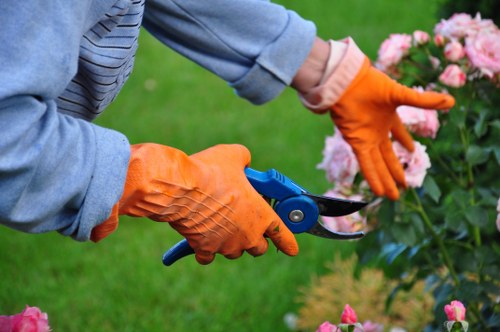
Seasonal trimming helps hedges stay in step with their natural growth cycle. Some hedges respond well to regular light cuts during active growing periods, while others are better handled more selectively so they do not lose shape or become stressed. The point is to keep the plant healthy enough to re-shoot while preventing the outline from becoming ragged. That balance is especially important where a hedge is expected to provide screening, shelter or a neat perimeter.
Growth control also matters where hedges border paths, driveways, shared boundaries or play areas. If the top has begun to widen, if the sides are pushing into usable space, or if uneven sections are creating a messy silhouette, a measured trim can restore order. For customers comparing related outdoor tasks, our hedge trimming and garden clearance pages may be useful starting points when deciding what kind of assistance is needed.
When the hedge is already healthy, trimming should aim to preserve that condition while improving the appearance. When it is overgrown, the task becomes one of bringing it back under control without creating unnecessary stress. That is why the same hedge can require a very different approach from one season to the next. If you are ready to begin, send the details through and request a quotation in plain terms.
H3: Finishing touches and tidying the result
A neat hedge is more than a row of cut stems. The finish matters: clean sides, a level top where needed, and clear edges around nearby surfaces all change how the garden feels. Where practical, the final tidy-up should leave the hedge looking deliberate rather than merely shortened. That includes taking care around paths, planting and hard landscaping so the surrounding space still looks presentable once the trimming is complete.
Many customers also want the clippings collected and the work area left in a sensible state. If the hedge produces a large amount of cut material, it is helpful to know in advance whether it should be removed or whether you prefer it left for your own composting or garden use. For broader outdoor finishing, the patio cleaning and jet washing pages may be relevant where hard surfaces also need attention, though hedge trimming itself remains a separate task.
The final look should suit the setting. A formal frontage, a private rear boundary and a soft mixed garden border do not need the same level of sharpness, even if they all need to be tidy. That is why a good brief focuses on the outcome as well as the size of the hedge. If you would like to go ahead, request a quotation and describe the finish you want in a sentence or two.