Hedge Trimming London – Recycling and Sustainability Commitment
 At Hedge Trimming London we place sustainability at the heart of our pruning, hedge-cutting and green maintenance work. Our London hedge trimming teams focus on reducing waste, supporting borough recycling schemes and returning organic material to productive use. We combine careful on-site segregation with off-site processing so that branches, leaves and cuttings avoid landfill wherever possible. We believe every clipped stem is a resource.
We work across many boroughs and respect local approaches to disposal. In parts of Richmond, Kingston and Lambeth, for example, residents and contractors separate green waste, food and mixed recycling at the kerbside — a practice we mirror when delivering hedge care across the capital. Our staff are trained to follow borough-by-borough guidance so that hedge trimmers in London are contributing to consistent municipal recycling streams rather than contaminating them.
 Our specific recycling percentage target is clear: we aim to recycle 90% of all hedge and garden arisings across our operations by 2028, with an interim goal of 80% by the end of next year. For green waste specifically we target a 95% diversion rate into compost, mulch or wood re-use channels. These figures are ambitious by local landscaping standards but achievable through careful sorting, rapid transfer to processing hubs and partnerships with local social enterprises.
How We Process Cuttings and Where They Go
In practice our hedge trimming in London teams separate material into categories at source: woody branches, soft green trimmings, and mixed debris including minimal soil or private waste. Items are loaded separately into marked skips or segregated compartments on our low-carbon vehicles. We use local transfer stations and civic amenity sites as intermediate points so material is handled by authorised facilities rather than being routed to landfill.
 Typical local transfer points we use include borough transfer depots and permitted green-waste hubs across Greater London, and we coordinate with resource recovery parks that accept woody biomass for chipping and composting. From these transfer stations the material is directed to:
- Composting facilities to produce soil conditioner and park mulch;
- Industrial chipping operations that create woodchip for pathways or biomass fuel;
- Wood recycling projects that reclaim larger branches for furniture, community projects or habitat logs.
These separate flows are key to achieving our target recycling percentage. By keeping soft arisings out of woody loads we increase the quality of the compost and the reuse potential of woodchip, lowering contamination rates and improving outcomes for borough waste managers and local horticultural users.
Partnerships with Charities and Community Groups
Hedge Trimmers London maintain active partnerships with charities and community organisations to maximise the social value of green waste. We donate clean woodchip and untreated logs to community orchards, park volunteer teams and conservation groups. Our selected partners include local tree charities and community gardening groups who accept material for re-use, support tree planting and help connect surplus mulch with community food-growing projects.
 We work closely with social enterprises and registered charities to ensure material marked for reuse reaches people and projects who need it most. Examples of collaboration include co-funded chipping days, mulch deliveries for shared allotments and volunteer events where our crews help set up wildlife piles and habitat logs for urban nature reserves. These arrangements form an important part of our circular approach and extend the benefits of London hedge trimming services into neighbourhood green spaces.
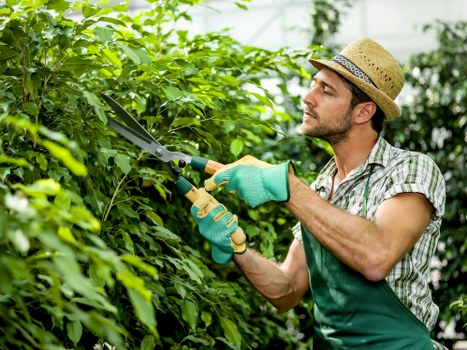 Our supplier and charity partners are selected for their environmental credentials and local impact. Through these partnerships we reduce disposal costs, create community benefits and ensure that valuable organic matter is repurposed rather than treated as waste. This contributes directly to our recycling percentage target while fostering positive relationships with council teams and voluntary groups across boroughs.
Low-Carbon Fleet and Operational Measures
Fleet choices are a major part of our sustainability plan. Our low-carbon vans include electric vans for smaller jobs and Euro-6 hybrid or biofuel-capable vehicles for larger loads. We have implemented route optimisation software, reduced idling policies and lightweight trailers to maximise payload efficiency. Together these measures cut emissions associated with Hedge Trimmers London operations and help us meet a company-wide target to lower transport-related CO2 emissions by 40% over five years.
We also use quieter, low-emission petrol and battery-powered tools for site work where possible, and provide on-going training so crews choose the most sustainable equipment for each task. By pairing a greener fleet with smarter logistics, we reduce the carbon footprint of every hedge we trim while improving local air quality and noise impacts for neighbours.
Measuring progress: we review recycling rates, transfer-station routing, charity donations and vehicle emissions quarterly. Data feeds into our annual sustainability report and helps shape targets for staff training, depot investments, and community initiatives. Our commitment to transparency and continuous improvement means London hedge trimming clients can expect measurable environmental performance as part of every maintenance visit.